

As the fir-tree lifts up itself with a far different need from the need of the palm-tree, so does each [person] stand before God, and lift up a different humanity to the common Father. And for each God has a different response. —George MacDonald1
George MacDonald (1824-1905) is perhaps best known today as the 19th century fantasy writer who was such a profound inspiration to J.R.R. Tolkien and C.S. Lewis. His children’s books, including The Princess and the Goblin and At the Back of the North Wind, continue to be published in beautiful keepsake editions. John Philip Newell praised MacDonald as an important voice in the modern-day survival of Celtic spirituality, and I would add that he is perhaps one of the most under-rated of mystics from the last 200 years.
The beauty and idiosyncratic splendor of his mystical vision is on full display in his anthology called Unspoken Sermons — “unspoken” because they were written but never preached from a pulpit.2 And among those unspoken sermons, “The New Name” offers a particularly lovely vision of the dynamic nature of divine love.
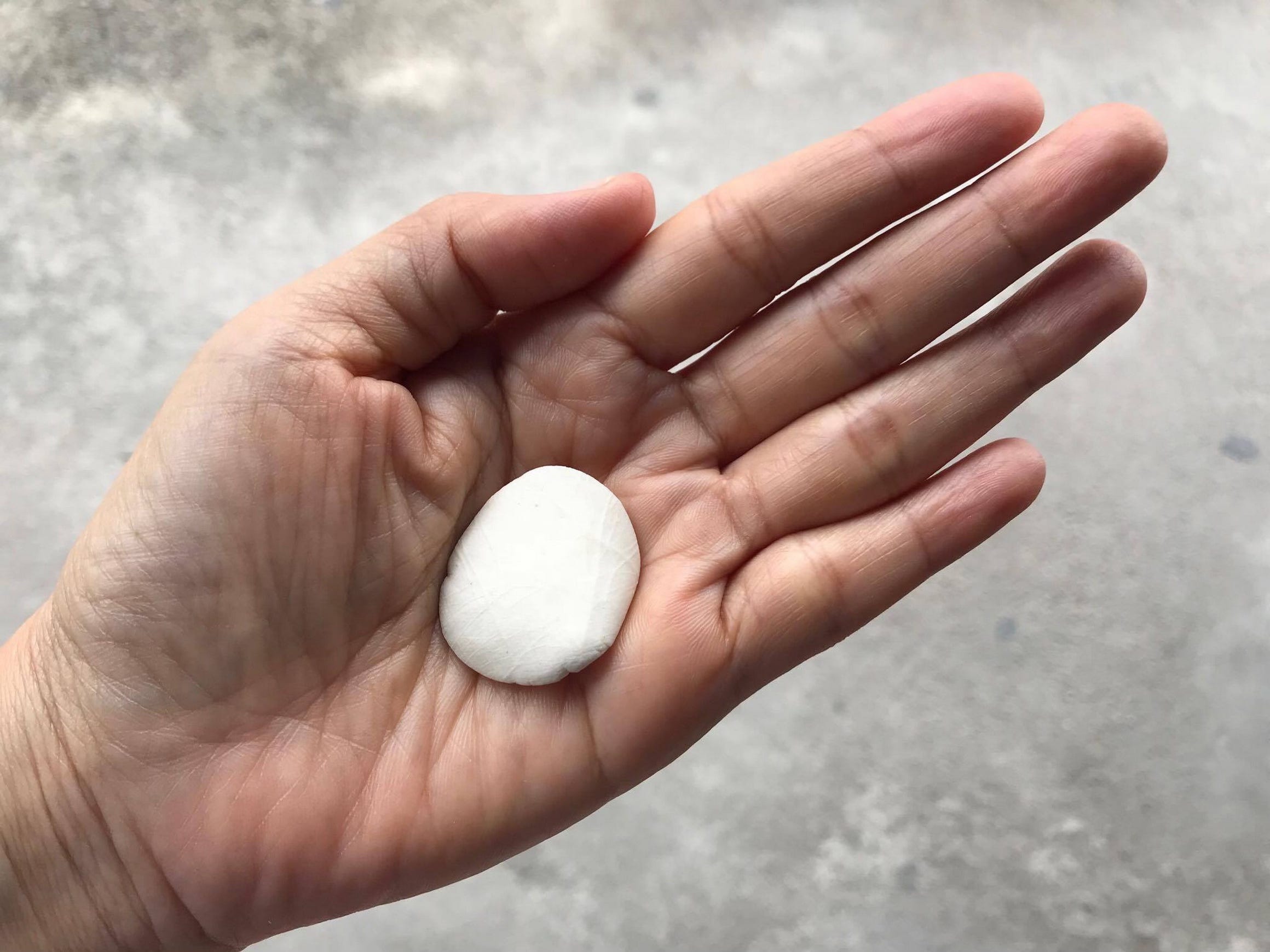
This sermon reflects on a puzzling verse in the New Testament (Revelation 2:17) that suggests God will give us each a white stone with a unique new name on it when we go to heaven. We each get a unique new name because we are all, each of us, unique expressions of God’s love. Because of this, our capacity to love God is likewise one-of-a-kind. We are all like musical instruments, each of us creating a different melody and sound that will never be expressed by anyone else, throughout all space and time. Our contribution to the beauty of life (both here on earth and eventually in heaven) is not only unique, but uniquely beautiful. If we had never existed, the symphony of heavenly music would be all the poorer for it.
MacDonald seems to be saying something exquisitely simple and beautiful to us:
You matter. Your gift to life, to God, to the universe is irreplaceable and infinitely beautiful. Your very existence is a blessing to everyone. Thank you for being you, and for the life you hold and the love you share.

George MacDonald, “The New Name” from Unspoken Sermons, Series I-III. Adapted for inclusive language.
MacDonald resigned in 1853 from his ministry as a congregationalist preacher after objections were raised about his liberal understanding of salvation. Although he continued to preach on occasion, he never again found steady employment as a minister.
One of my favorite verses. I leave a pile of white rocks in my backyard labyrinth to encourage visitors to pursue their name.