

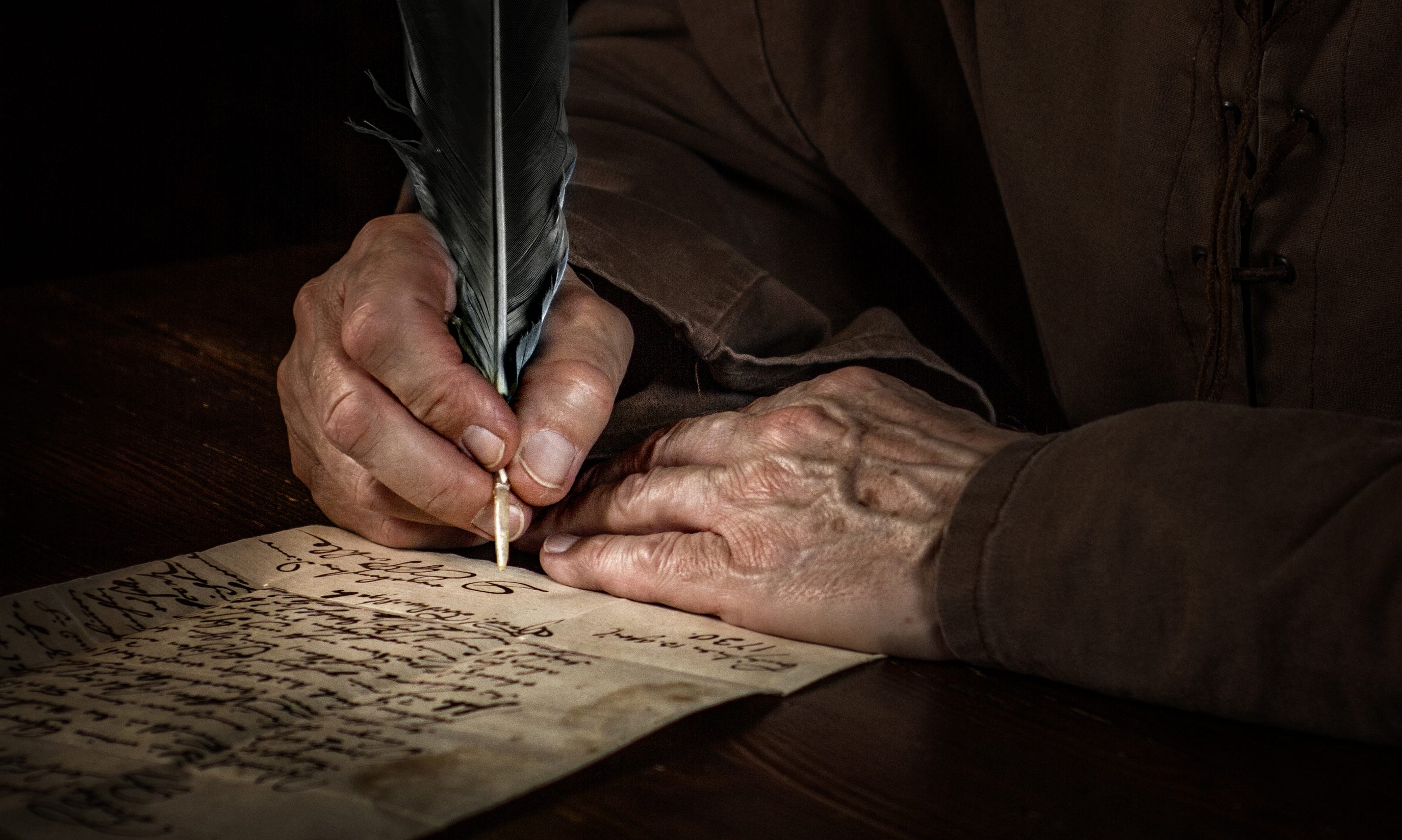
For a number of years I taught a class on spiritual writing for a continuing education program here in Atlanta. I used several different textbooks over the years; my favorite by far was The Art of Spiritual Writing by Vinita Hampton Wright, who for many years was an editor with Loyola Press in Chicago. I loved this book because it offered wonderful insights into the craft of writing, from journaling to publishing; but also drew clear connections between writing and spiritual practice. This quotation, one of many gems in the book, brings home the author’s gentle, clear-headed wisdom:
Prayer is attentiveness to your life and openness to the day and humility in the face of criticism and resolve in the moments of self-doubt. — Vinita Hampton Wright1
It echoes the wisdom of the French mystic Simone Weil, who said that “absolutely unmixed attention” is prayer.2 Vinita Hampton Wright takes this bit of wisdom and grounds it in the everyday reality of life. Not only to be attentive to your life, but to experience “openness to the day,” so prayer has a present-moment quality to it that is as essential as the attention.
Hampton Wright is not merely offering us spiritual encouragement; she is also providing practical advice to the writer who is hoping to be published some day. For such a person, prayer is an expression of humility: the down-to-earth resilience that enables a person to receive criticism, not with defensiveness or self-abnegation, but as a simple reality of creative work. No matter how good your work may be, to share it with others is to be vulnerable to rejection or criticism. This leads to her final point: prayer is resolve in the moments of self-doubt.
I have a longstanding and intimate relationship with my own self-doubt, and I sometimes fool myself into thinking that I’m the only person who second-guesses myself. It’s reassuring that be reminded that such “moments of self-doubt” are actually quite common. Writers (and other creators) discover that their relationship with self-doubt is not about “if” it happens, but rather “when” it occurs. When it does, it’s helpful to remember that prayer can guide us through such choppy waters.
Prayer, then, is the great antidote. Prayer calls us to be ruthlessly present to the exact moment we find ourselves in, even the moments of doubt and angst. Prayer is a reminder to be humble in the recognition that not all moments are pleasant or joyful; and to be resilient even when the transitory circumstances of our lives call us to question whatever might be going on.

Vinita Hampton Wright, The Art of Spiritual Writing: How to Craft Prose That Engages and Inspires Your Readers, Kindle Edition, Chapter 9.
Simone Weil, Gravity and Grace, Kindle edition, p. 110.
A clarion call - so humble - so powerful