

Note: Today’s Substack post is the transcript of a sermon I preached at Unity Atlanta Church on Sunday, April 19, 2026.
Hi friends. It’s so good to be here today. I believe the last time I visited Unity Atlanta was in the summer of 2019 — almost seven years ago now! Boy, hasn’t the world gone through some pretty radical transformations since then? COVID, Ukraine, Gaza, Iran… the rise of Artificial Intelligence, the first humans to travel to the moon in fifty years, it’s fascinating how different the world feels.
But I want to comment on something challenging about these times we find ourselves in. What I find particularly thought-provoking — and what inspired today’s message — is something I’ve learned from following research polls like the Gallup Poll and the Pew Research Center. The polls pretty consistently show that Americans are less hopeful today than we were seven to ten years ago—significantly less hopeful. Fewer people believe that their lives will get better in the next few years. More people have lost faith in our institutions like government, religion, or big business. I know there’s always going to be fluctuations in the mood of the general public, but it seems that we are in the midst of a heartbreaking trend here, and one that I think people of faith ought to be paying attention to.
Now, it would be very easy for me to wade into political waters here, but I want to remain mindful that we are gathered here as a spiritual, not a political, community. So I don’t want to spend a lot of time debating about why people seem to be losing hope. Based on the polls, it appears that the turn toward cynicism and even despair that many of our fellow Americans are experiencing is happening across the political spectrum. This is something far deeper than a political issue, it is a spiritual issue. And it requires a spiritual response.
But first, a message from our Buddhist friends.
Did you know that Buddhists — well, not all Buddhists I suppose, but at least some Buddhists — are suspicious of hope? Yes, it’s true. I remember the first time I stumbled across this, in an interview with the wonderful Tibetan Buddhist nun Pema Chödrön. She has written a number of amazing books, but here she was saying that she wasn’t very big on hope. I kind of wrinkled my nose like I had just smelled something unpleasant, but thankfully I did go ahead and read the interview, and I’m glad I did. Her gripe was not really with hope in itself, but rather with how people use hope — or should I say, misuse hope. You see, hope is always oriented toward the future. It makes sense, after all: we hope that tomorrow will be better than today. But this means that hope can actually distract us from the present, beguiling us into placing faith into something that does not yet exist, which can result in us ignoring what the present is asking of us, right here and right now.
It’s like the story of the very pious Christian whose house was caught in a flood. He climbed to the roof barely escaping the rushing waters. As he stood on the top of his house, he began to pray. “Lord, save me!” He pleaded. Just then, a canoe floated by with his next door neighbors in it. “Hey, jump into our canoe!” They shouted out to him, but he thought the canoe looked a little wobbly. So he shouted back, “That’s okay, I have faith in the Lord that he will deliver me!” The canoe soon was carried away downstream. Then along came a motorboat, put-putting along, and again the person in the boat shouted out, “I have a rope, you can get in my boat!” But our faithful believer waved him off, shouting that his faith was in the Lord. The water kept rising, and soon it was lapping at the very edge of the roof. Just then a helicopter flew by, and hovered over the house, and using a bullhorn the pilot shouted over the noise of the rotor, “We can drop you a ladder!” But the man shook his head, still confident that God would deliver him. Wouldn’t you know—the water continued to rise, and the man was swept away, and drowned. The next thing he knew, he was standing in front of the pearly gates, and there with him stood Saint Peter and Jesus himself. Our hero looked at Jesus and whined, “I had all my faith in you, why didn’t you save me?” Jesus rolled his eyes and said, “I sent you two boats and a helicopter, what more did you want?”
This, my friends, is an example of the kind of hope that a Buddhist like Pema Chödrön rejects. And she’s right! If we use hope as a kind of spiritual bypass to be so future focused that we stop doing the good work we need to do, right here, right now, in the present moment, then we have engaged in what I believe has been called “metaphysical malpractice.”
Creative, spiritual hope does not deny or avoid the present moment, but rather serves as a creative bridge that integrates the possibilities of the present with the promise of the future. Life-giving hope never avoids the present, for it is in the present that the seeds of the future are planted. But hope is a beacon of light, a clarion call that reminds us no matter how bleak or seemingly negative current circumstances might be, we carry within us everything we need to jump-start the miraculous transformation from apparent despair to manifest joy.
One thing I love about Unity is how this community uses affirmations to manifest a more healthy and abundant life. Those of you who work with affirmations know that they are always written in the present tense. Imagine a beautiful affirmation like “The Peace of God dwells within me.” But change that to “The Peace of God is going to dwell in me someday,” and it’s obvious that it is no longer an affirmation: it’s merely a wish. Now, I’m not here to fuss at anyone who’s been saying their affirmations all wrong! But we can all hear this invitation: the blessings that we hope for, we are invited to affirm—right here, and right now.
But perhaps the most important question about hope, is a world where too many people have lost hope, is simply this: what happens when we find it hard, or difficult or even impossible to hope?
Before I try to answer that, I’d like to talk about… guacamole.
Now, that may seem to be pretty much a random non sequitur, and I’ll admit, it is pretty random. But I love guacamole, and this is my message, after all, so humor me while I talk about guacamole just for a minute or so.
Here’s how much I love guacamole: many years ago, when Fran’s and my beautiful daughter Rhiannon was dying from kidney disease, I promised her that we would see each other again in heaven. When she asked me how we would find each other, I told her it would be very simple. All she had to do was go to the heavenly banquet, and look for me: she would find me between the chocolate fountain and the vats of guacamole.
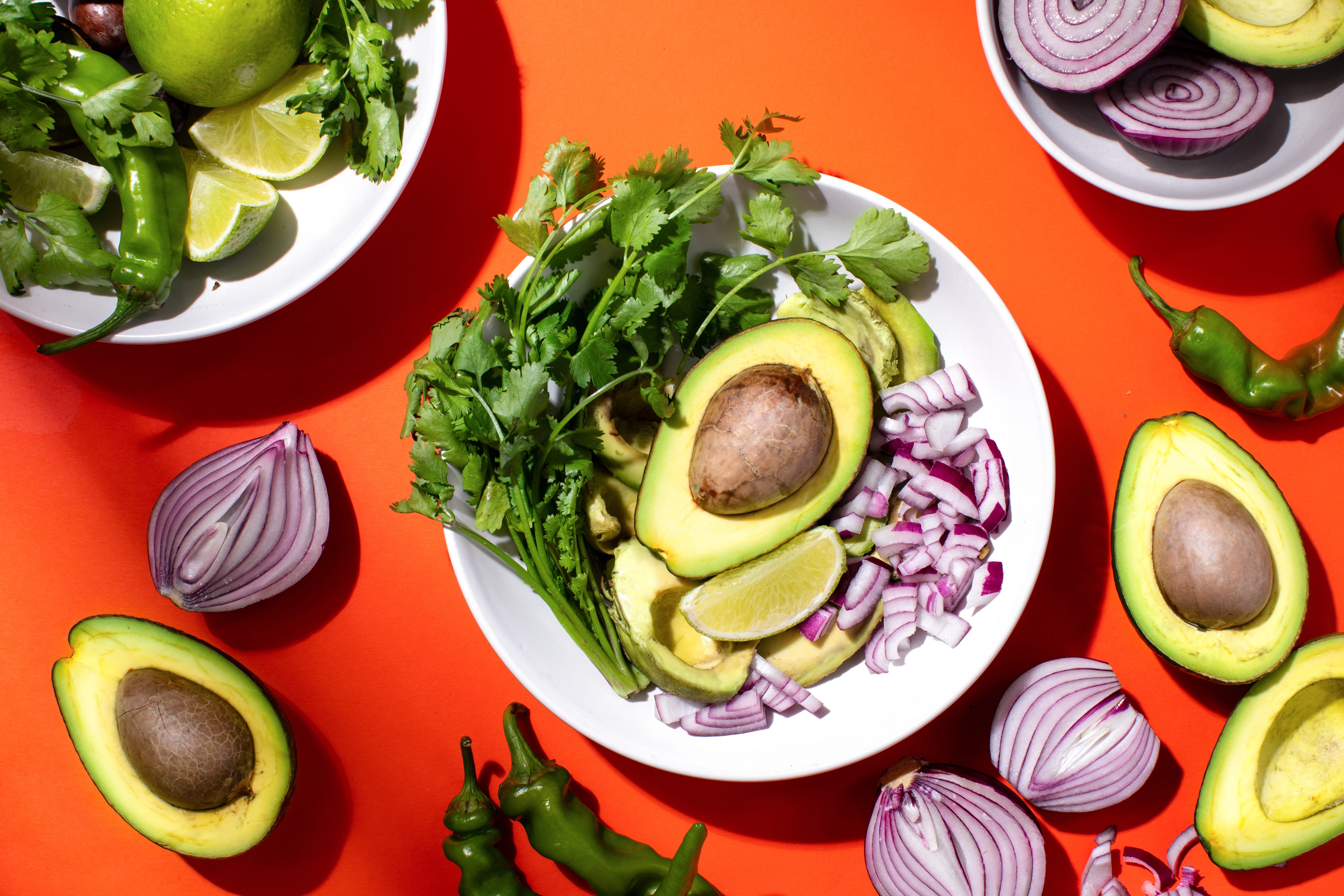
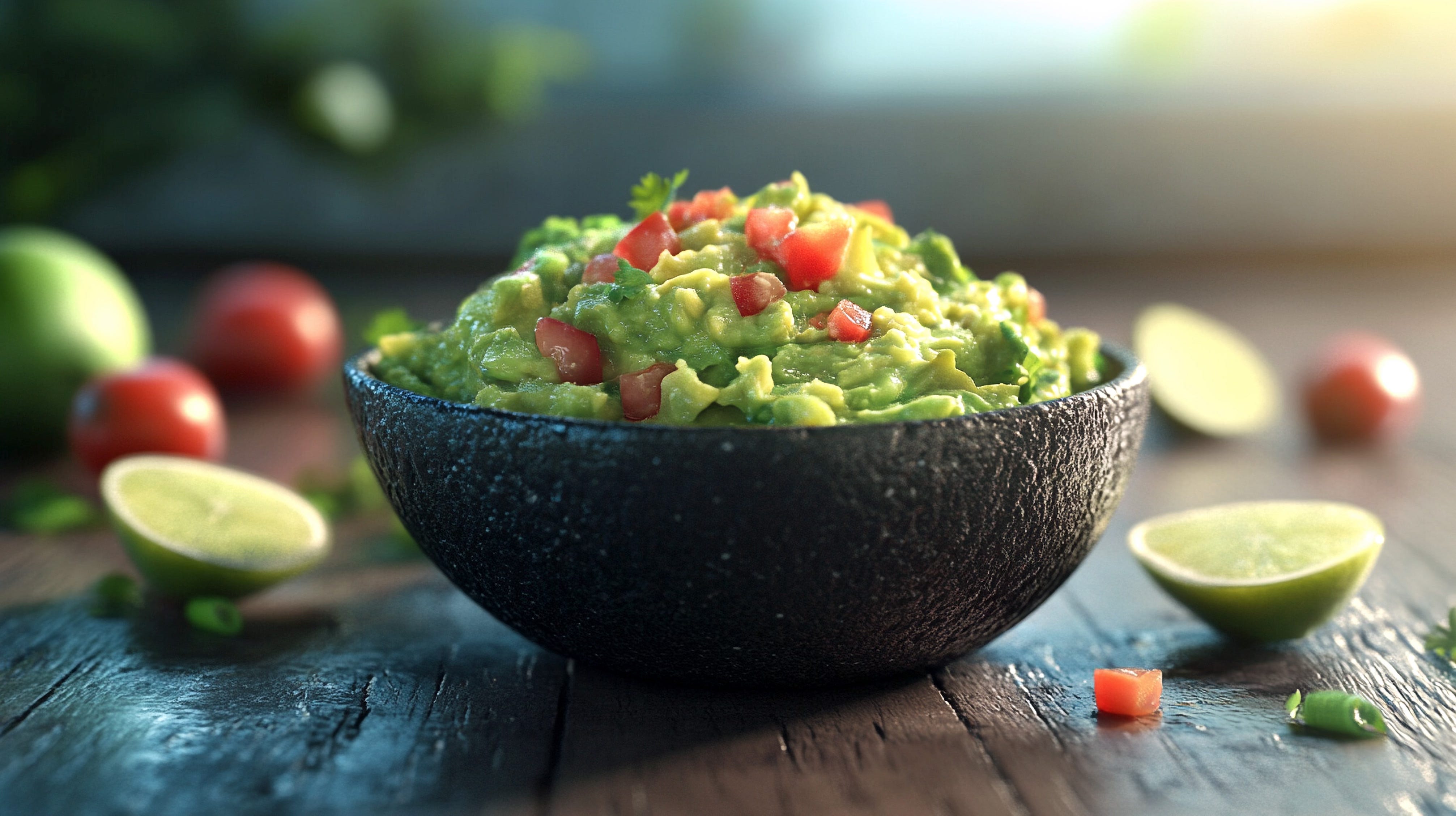
Now everyone knows that guacamole is a lot more than just a mashed up avocado, even though that is its main ingredient. But to have really good guac, you need to blend that mashed up avocado with lime juice and salt, plus other ingredients like diced onions, peppers, salt, tomatoes, cilantro and just a hint of garlic. Mmmm! My mouth is watering just thinking about it.
Don’t get me wrong: I’ll gladly enjoy plain avocado on toast, or in a salad, or even floating in gazpacho. There’s lots of great ways to eat an avocado! But by itself, it’s not guacamole. You need those extra ingredients to truly work the magic.
Now, when I think about guacamole, it automatically makes me more hopeful. But you’ve humored me long enough, so let’s get back to the central point of this message. So back to my question: what can we do when hope seems difficult or even impossible to find?
It seems to me that when it’s hard to manifest hope, we need to take a step back and work on manifesting what I like to call “the ingredients of hope.” Just like you can’t have guacamole without the lime juice and tomato and onions, et cetera, there are certain ingredients that are necessary for us to mix up a delicious batch of hope. And just like there are lots of different, delicious recipes, all slightly different, for guacamole, I’m sure we could come up with plenty of different recipes for hope. But this morning let’s concentrate on three main ingredients, plus a few other elements that I believe are really important for nurturing lasting hope.
The main ingredients are trust and courage and joy — sort of the avocado, lime juice and salt of hope. For the more optional ingredients, like garlic, onion, tomatoes and peppers, I would suggest that hope is also made up of patience, perseverance, gratitude and connection.
Let’s take a moment and reflect on each of these, one at a time.
Trust
When I was a high school senior, ready to graduate and move off to college, my dad gave me a magazine article that was a compendium of advice that someone wrote for his kids. My dad thought it was pretty good, and it did have some good pointers in it, like “Make friends with someone who has a swimming pool.” Although actually, my wife and I have learned that it’s even better to make friends with someone who has a vacation home on the Gulf Coast. Just saying!
But there was one terrible piece of advice in that article; it said, “Do not trust anyone. If your mother says she loves you, check it out.” Now, maybe the author of the article was just trying to be funny, but if so, I think that particular attempt at humor really fell flat. Now, I understand that often trust needs to be earned, and not everyone deserves to be trusted. But when we’re talking about God, or even our own heart, then trust is really an important quality to cultivate. To trust in someone means to place our faith in them, and it orients us toward acknowledging that this person is a source of goodness and care. Yes, every human being makes mistakes, but God, who is love, is supremely trustworthy. But God’s trust-worthiness means nothing if we are not ready to trust God. Someone somewhere once said that the most fundamental question in life is simply this: is the universe safe, or not? Even with all the suffering, even with death and loss. God, who is Love, promises us that the universe IS safe, even when it doesn’t appear to be. Trust is an expression not just of emotion, but of the will. Trust is saying, I choose to believe, I choose to believe that LOVE ultimately wins.
Courage
I remember as a young child, watching The Wizard of Oz and feeling very curious about the cowardly lion’s quest for courage. I understood the Scarecrow needing a brain and the Tin Woodman wanting a heart. But courage was a bit too abstract for my young mind. I might have been surprised to learn that the Lion had more in common with the Tin Man than he realized. Courage, you see, literally means “to have a heart” — not just a physical heart that pumps blood, but a spiritual heart, filled with strength and fortitude, valor and bravery, a heart that is willing to meet whatever challenge comes its way.
If trust is a disposition, then courage is a call to action. You don’t manifest courage sitting on the sidelines, except to the extent that you are willing to get into the fray. Courage means standing up to be counted, volunteering for the difficult but necessary task, and standing up to the person who is frightening or intimidating. Now, as much as I believe that courage is an ingredient of hope, you could just as easily say that hope is an ingredient of courage. After all, in the realm of spirituality, anything is possible.
Rather than get lost in a “chicken or the egg” debate, I think we just need to accept that hope requires courage, and courage requires hope. The beautiful thing about courage is you don’t have to be perfect at it. The Grey Panthers activist Maggie Kuhn famously said, “Stand before the people you fear and speak your mind – even if your voice shakes.” Courage sometimes comes with a shaky voice or shaky hands. That’s okay: when you are faithful to your heart, sooner or later faith triumphs over fear.
Joy
Joy is the third major ingredient in the recipe for hope. And I want to be gentle here, because I recognize that many people have trauma or wounds that can make it difficult to access joy. But I think sometimes we lose sight of joy for no other reason than our lives are busy and stressful. Friends, I invite every one of us to consider what steps we can take to cultivate more joy in our lives. Joseph Campbell famously said that we need to follow our bliss: and Howard Thurman reminded us that the world needs people who have come alive. “Don’t ask what the world needs,” he said; “Ask yourself what makes you come alive, and go do that, because what the world needs is people who have come alive.” And if you want to know what makes you come alive, then follow your bliss. Make joy a priority. It has been said that joy is an infallible sign of the presence of God. Friends, the fact that you are here at Unity tells me that you either know God is in your hearts, or you are actively seeking that Divine presence within. Either way, joy is the key to that sacred presence in your heart — and it is also a key to genuine, life-transforming hope.
Now, what are some of the extra ingredients we need for our recipe for hope?
Patience
There’s an old joke about the person who prayed, “God, I want patience, and I want it right now.” Watch a small child in December who is struggling with how slowly the days go by as they wait for Santa Claus, and it’s obvious that we human beings are just not naturally very patient. But just like we can learn to be kind, and compassionate, and forgiving, so we can also learn to practice the spiritual gift of patience. Interestingly, psychologists recommend something as simple as the practice of a pause to recalibrate our hearts and minds toward deep, confident patience. Impatience, you see, is rather like the opposite of hope: whereas hope trusts in the future, impatience is unhappy with the present. To be impatient is to reject what is here and now, anxiously wanting to manifest something different and better, but to do it immediately.
To break the grip of impatience and to relax into the precious present moment of infinite patience, it might only require that we remember simply to breathe: here, and now. When we breathe, we are present. Thich Nhat Hanh says when we are mindful of our breathing, we are mindful we are alive. In that mindful place, we do not have to manage the future — or the present. We simply are alive, and we recognize that the future we desire will come in perfect divine timing.
Perseverance
When I was working my first professional job, my boss used to talk to me about “follow through.” I’m the type of person who’s better at starting things than finishing them, so obviously he wanted me to up my game a little. But as I learned the professional value of seeing things through, I began to recognize how meaningful this quality was for me spiritually as well. Perseverance is the active side of patience. If you or someone you love is in recovery you know the classic serenity prayer: “Grant me the serenity to accept that I cannot change, the courage to change what I can, and the wisdom to know the difference.” This prayer is so popular — and powerful — because it is positively brimming with hope. Serenity helps us to be patient when things are out of our control; courage helps us to act when matters are within our control, and perseverance is the rocket fuel that keeps us going once we’ve activated the courage to act. Perseverance reminds us that life is a dance, not a pose: we are always in movement, always dynamic, always stepping in to new possibilities. Perseverance is that energy within that helps us to keep going.
Gratitude
The great metaphysical poet George Herbert offered this beautiful prayer:
Thou that hast giv’n so much to me,
Give one thing more, a gratefull heart.
I had a mentor many years ago who used to say that when we are living in gratitude, we don’t have the inner bandwidth to get caught up in the drama of playing the victim or being a martyr. Gratitude is the antidote to bitterness and envy and other corrosive energies that can leach the joy out of our lives. It’s a Biblical principle: in all things, give thanks — because the Biblical writers understood the power of gratitude to foster faith, joy, and all the other qualities we are celebrating today. I know it’s not always easy to live in gratitude, and that the same forces that make it difficult to hope can equally make it difficult to simply be grateful. But when hope seems elusive, let’s stay grounded in the present, and look for something, no matter how small, for which we may express a word of gratitude. The more gratitude we express, the more it flows. It’s the metaphysical principle of abundance in action. And like George Herbert, if you can’t access it on your own, ask Spirit for a helping hand. Grace is always available, and when it flows, it’s easy for gratitude to flow in its wake.
Connection
The last ingredient in my recipe for hope is connection. We need each other. We don’t always honor this truth, and all sorts of things can get in the way of it. I, for one, am an introvert, and I love to be alone. But even so, I know my life’s abundance and happiness depends on the presence of people whom I love, and who love me as well. When we are connected with each other, all the ingredients of hope can flow just a bit more easily into our lives.
I understand that so many of us are isolated, or we’re slowly healing after a difficult or traumatic relationship, or for any number of reasons we may feel lonely and disconnected. Unfortunately, this too is an epidemic in our society. While there’s no one-size-fits-all solution to this problem, I do believe that there is always ways to make connections — new connections if not old ones. We can volunteer, we can reach out to people online, we can choose to be more active in a loving community like Unity Atlanta. There are lots of good reasons to make connecting with others a priority — and one of those good reasons is that this makes hope more possible.
So that is my recipe for hope, my ingredient list for cultivating a more hopeful heart and hopeful life. Mix all these ingredients together and let them rise slowly in our hearts, until we can bake them into the nourishing bread of our dreams for a brighter tomorrow. You may have a different recipe. And that’s fine. Let’s support each other to continue to bake the bread of hope in the kitchen of our hearts. May these ingredients of hope activate our hearts so that under the loving guidance of the Spirit we may co-create a truly delicious and blessed life.
